Proper site preparation is one of the most important steps when getting a shipping container — and that starts with leveling the ground before your container arrives. Depending on the surface your container will sit on, there are specific steps you can take to protect your investment and get the most out of your container.
Leveling your shipping container is more important than many people realize. If a container is not placed on level ground, the doors will not open or close properly — and structural stress can build up over time.
A shipping container rests on its four corners, which are called “corner castings." The cross members (the support beams running along the underside of the floor) should never touch the ground. This is an important point to keep in mind when leveling your container. If the container is placed on grass or packed dirt, moisture trapped underneath can rise into the subfloor and create mold — which can significantly shorten the lifespan of your container.
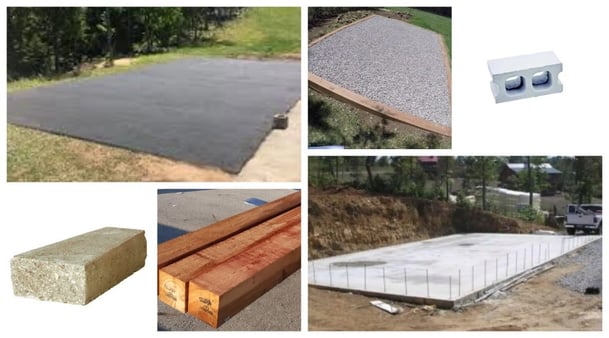
The following materials can be used to level your container and raise it slightly off the ground, allowing air to flow freely underneath:
- Railroad ties / lumbar,
- Gravel pad
- Cinderblocks
- Cement pad,
- Cement blocks
- Asphalt or Tarmac padBefore your container is delivered, use a long level or laser level to check that your chosen surface is even across all four corner points. Aim for no more than 1 inch of variance across the full length of the container. When using supports such as concrete blocks or railroad ties, place them directly under the corner castings — not under the cross members — to ensure the container's weight is distributed correctly.